Meta Frequency Capping for WhatsApp Marketing Messages: What It Is & How to Bypass It
In this tutorial, you'll learn:
What Meta frequency capping is
Why WhatsApp marketing messages fail
How to improve WhatsApp message delivery rates
Meta Frequency Capping for WhatsApp Marketing Messages: What It Is & How to Bypass It
In this tutorial, you'll learn:
What Meta frequency capping is
Why WhatsApp marketing messages fail
How to improve WhatsApp message delivery rates
What is Meta's Frequency Capping?
Frequency capping is a Meta update designed to reduce spam and prevent WhatsApp users from receiving too many promotional messages within a short period.
If a user receives multiple marketing messages from different businesses but does not engage with them, Meta may temporarily limit the delivery of additional promotional messages to that user.
As a result, businesses may see some WhatsApp marketing messages fail with errors such as:
Unhealthy system activity
Spam rate limit hit
These errors do not indicate a problem with your WhatsApp Business API account. Instead, they mean Meta has temporarily restricted marketing message delivery to that specific user.
This means:
✅ A specific user may be temporarily restricted from receiving additional marketing messages.
✅ Your WhatsApp Business account remains active and unaffected.
✅ Other contacts in your audience can continue receiving campaigns normally.
❌ Your business is not being penalized or blocked by Meta.
Example of a Message Failure Due to Frequency Capping
When a marketing message is blocked because of frequency capping, the campaign report may display an error such as "Unhealthy system activity."
In the image below, the promotional message failed to deliver because Meta temporarily restricted marketing message delivery to that particular user.
How to bypass Meta Frequency Capping using AiSensy Retry Campaigns
Step by step process to counter Meta Frequency capping
Select Your Contacts
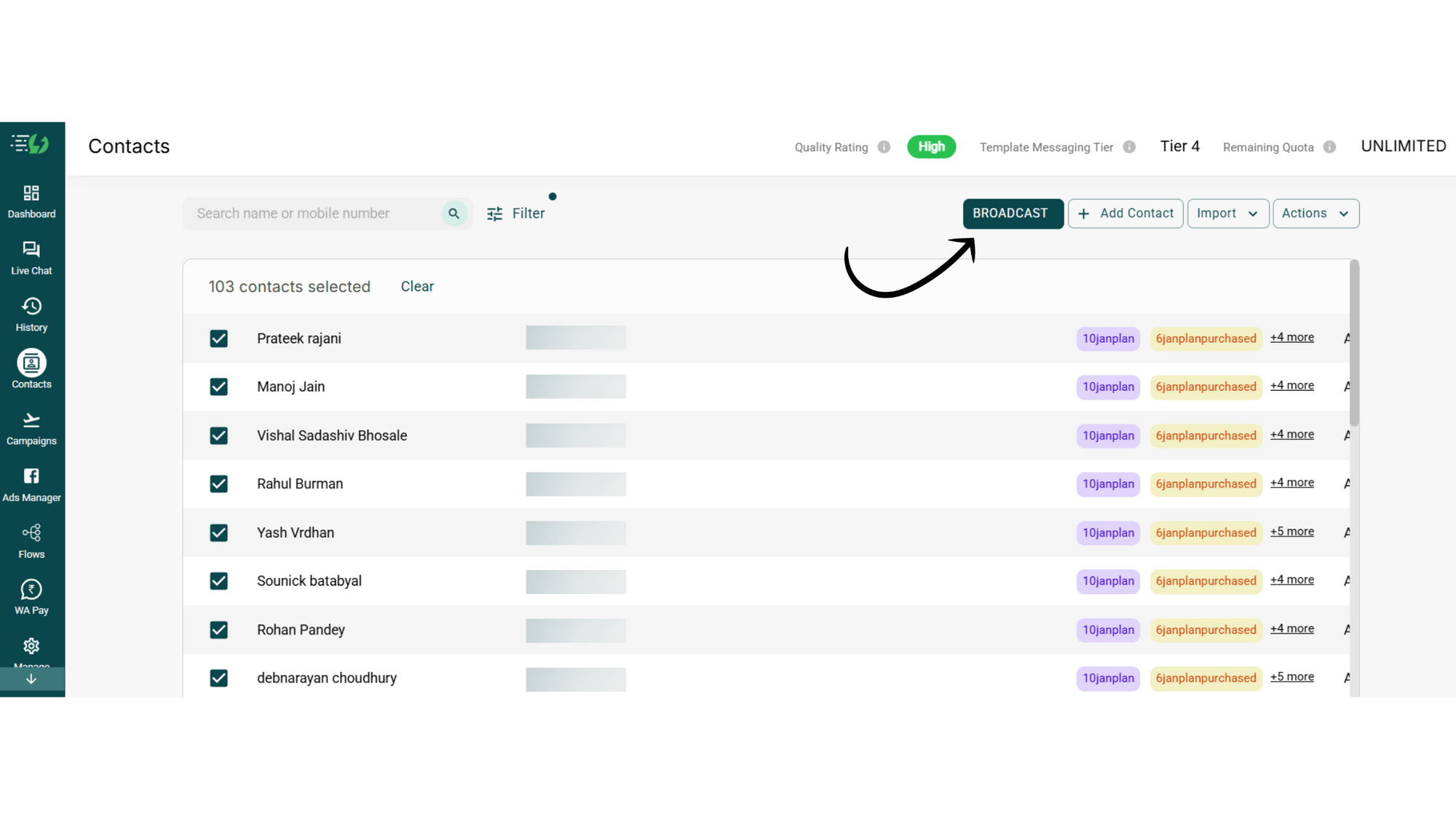
Go to the Contacts page and select the contacts you want to send the broadcast to.
Create Your Campaign
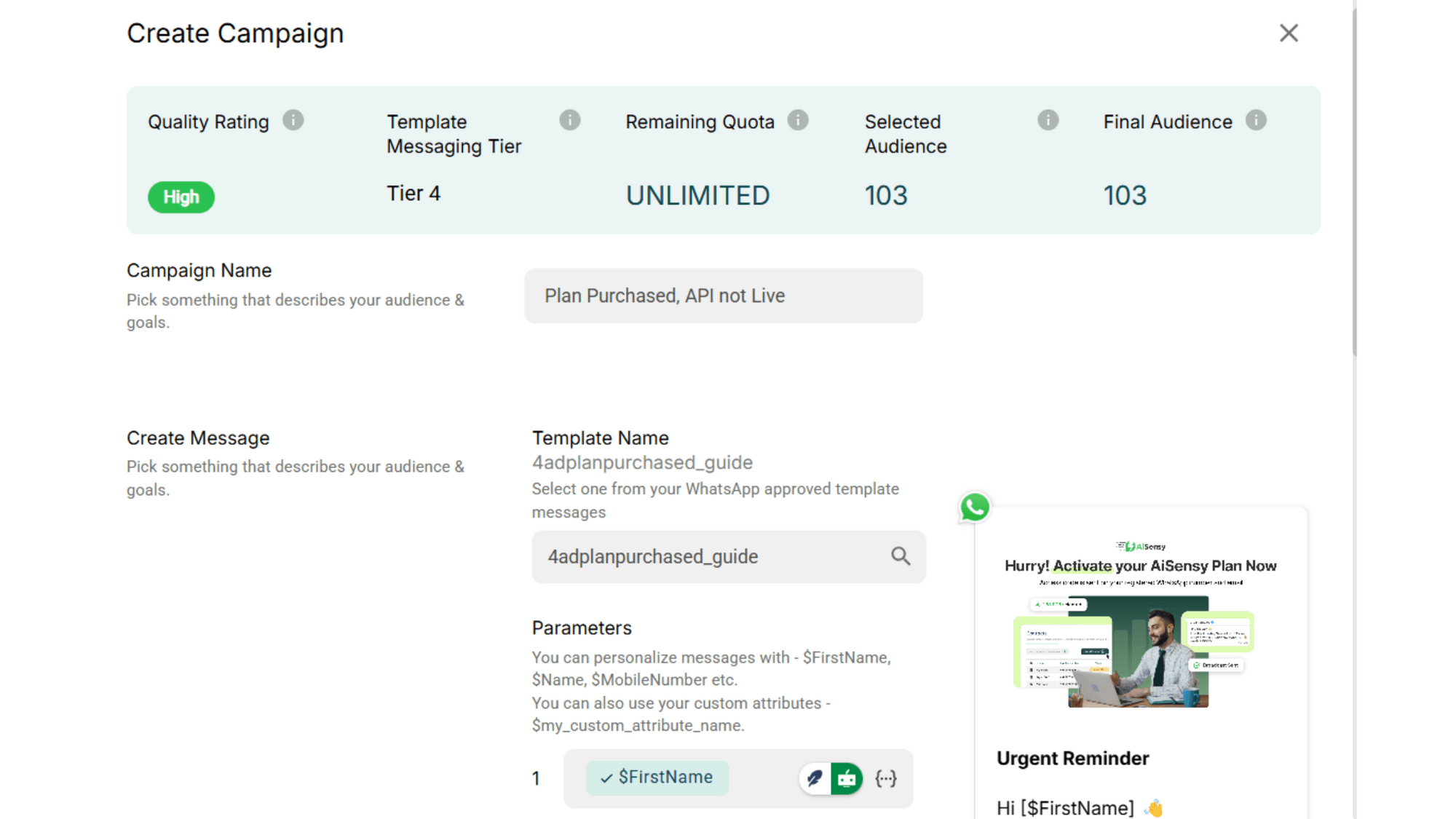
Enter a Campaign Name and select your pre-approved WhatsApp Template Message.
Enable Retry Campaign
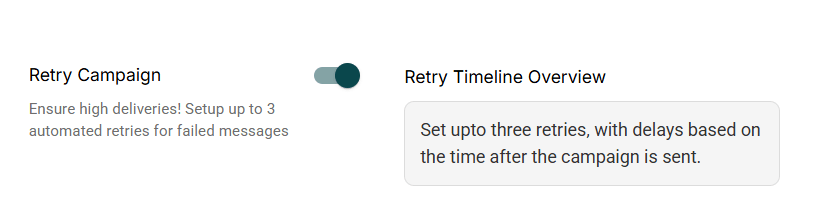
Scroll down and turn on the Retry Campaign toggle.
Configure Retry Attempts
Set up to 3 retry attempts for failed messages and choose the delay between each retry. All retries must be scheduled within 24 hours of the original campaign.
Monitor Retry Performance
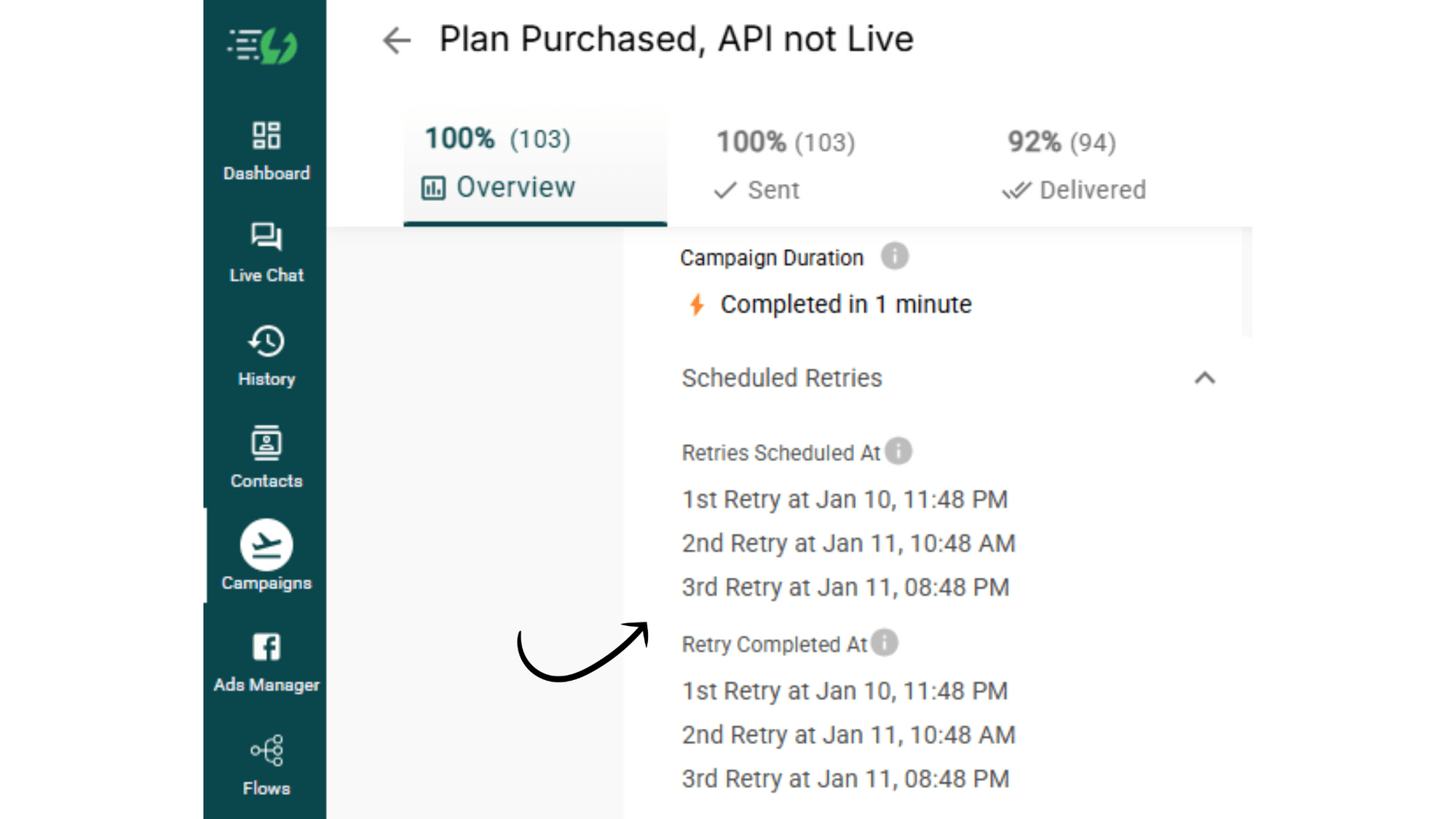
Navigate to Campaigns > Select Campaign > Scheduled Retries to track retry progress and delivery status.